
By Akanbi Grace Oluwatomiisin
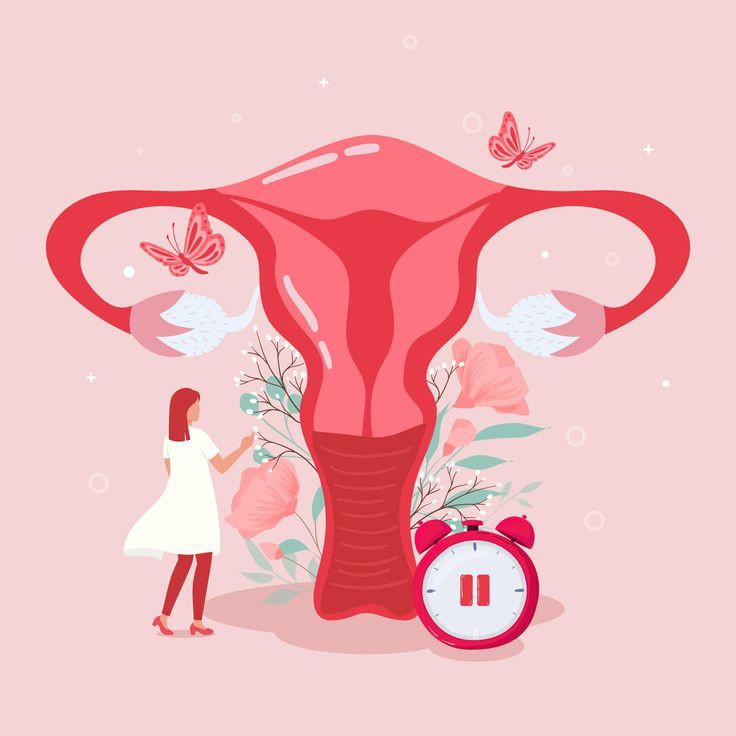
Menstrual health is a state of complete physical, mental, and social well-being in respect to the menstrual cycle. It involves the absence of illness and the capacity to control one’s menstruation in a hygienic way.
Menstruation is a natural biological process that takes place in the female reproductive system. It involves the flow of blood and cells from the lining of the uterus, shed through the vagina. It occurs every month with physiological changes as a sign of the body’s preparation for a potential pregnancy every month which typically lasts between 3-7 days. The end of a menstrual period to the beginning of another menstrual period is referred to as the menstrual cycle.
Menstrual cycle is controlled by hormones and typically lasts about 28 days, but can vary from woman to woman. The menstrual cycle includes:
1. Menstruation (Days 1-5)
2. Follicular phase (Days 6-14)
3. Ovulation (Days 13-15)
4. Luteal phase (Days 15-28)
It is important to practice good hygiene during the period of menstruation in order to manage menstruation in a clean, safe, and healthy way because it helps prevent infections, odor, and discomfort. Menstrual hygiene practices involves using sanitary products, changing products regularly, washing hands before and after handling products, keeping the genital area clean, avoiding scented soaps or products that can irritate the skin, disposing of used products properly, etc.
Use of appropriate menstrual products: The three recommended products that can be used for menstruation are sanitary pads, tampons and menstrual cups. They are available in a range of thicknesses and width and sizes to accommodate light, moderate, and heavy flow.
Regular cleaning: During the menstrual cycle, always ensure to take a bath at least twice daily to prevent odors and infections. When cleaning the genital areas, avoid using scented and mentholated soaps as these products upset the normal bacteria and yeast balance in the vagina and cause infections.
Change products regularly: To stop leaks and odors, replace the pad every four to six hours, or sooner if it gets soaked. Change tampons every 4 to 8 hours and for menstrual cups, it takes up to 12 hours to wear them out before they need to be taken out, cleaned, and put back in. Also boil water in the cup to sterilize it after each cycle.
Appropriate Elimination: Tampons and sanitary pads should be disposed of in a trash can after being wrapped in toilet paper or the nylon used to package the product. Avoid flushing them down the toilet as they may clog the toilet.
Wear comfortable clothing: Select cotton underwear that are permeable to promote airflow and lessen moisture retention. This helps to prevent yeast infections.
Drink plenty of water and eat a balanced diet: To stay hydrated and reduce bloating and exhaustion, drink lots of water. Consuming a well-balanced diet full of whole grains, fruits, vegetables, and meats will give your body the nutrition it needs to support your menstrual cycle.
Pain management strategies for menstrual cramps include applying a heating pad or hot water bottle to the lower abdomen, and engaging in gentle exercise like yoga or walking to improve circulation.
Track Your Cycle: Keeping track of your period cycle, flow intensity, and symptoms can help you anticipate your period, recognize patterns, and manage symptoms more effectively. It can also give medical professionals important information if you experience any irregularities during your menstrual cycle.
Consult a physician when necessary: See a healthcare professional if you suffer from severe menstrual discomfort, abnormally heavy bleeding (soaking through one or more pads or tampons per hour for several hours), irregular periods, extreme exhaustion, fever or unusual discharge. These can be indicators of underlying diseases like fibroids that need to be treated.
Frequency and symptoms of menstruation can be influenced by a number of factors, including lifestyle, health, and stress. During the menstrual cycle, there are different responses and effects which differ in individuals. It is totally normal to experience some of these as the human body responds to menstruation in different ways.
Dysmenorrhea: Often known as menstrual cramps, are excruciating lower abdominal cramps as a result of muscle contraction in the uterus.
Bloating: Hormonal fluctuations causing an abdomen-wide sensation of fullness or bloating.
Breast tenderness: Sensitivity and swelling of the breasts.
Mood Swings: Irritation, anxiety, or melancholy caused by hormonal swings.
Headaches and fatigue.
Acne: Skin outbreaks may result from hormonal fluctuations.
Nausea: A queasy or disturbed stomach sensation.
Constipation or diarrhea: Digestion and bowel movements can be impacted by hormonal fluctuations.
Food Cravings: An elevated craving for specific foods, typically rich in sugar or carbohydrates.
The degree and combination of these symptoms might differ greatly, some people may experience mild symptoms while others may experience more severe symptoms that make it difficult for them to go about their daily routine. Seeking guidance from a healthcare expert regarding management alternatives may be beneficial if menstruation symptoms are severe or have a substantial influence on one’s quality of life.
In order to support menstrual needs and ensure full participation in daily activities, supportive policies and practices in schools, workplaces, and communities are very important. Education and awareness also contribute in promoting menstrual health and empowering individuals to make informed decisions about their bodies and menstrual health.
 OBAFEMI AWOLOWO HALL PRESS
Leave a comment