

By Grace Adepoju
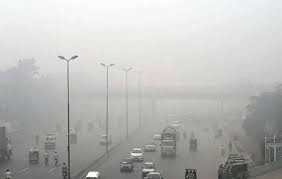
Imagine stepping outside on a chilly, dry morning, unable to see through the mist, and feeling like the air is too thin to breathe. These are sure signs of harmattan. As the ember months slowly come to an end, we are inching closer to the time of the year when the weather becomes cold, dry, and dusty all at once. You might be surprised to learn that the season of harmattan can have a big impact on your health.
Harmattan is a season in West Africa that comes right after the rainy season, from around November to March, and is strongest between December and February. During this time, cold, dry winds blow from the northeast, bringing along dry air, low humidity, and hazy skies. The word harmattan originated from the Hausa word “harmattani” which means “the doctor is gone”. Harmattan refers to both the season and the specific type of wind that blows during this time.
The season of harmattan is also characterized by a number of distinct features. First, the air is usually very dry and dusty, and there is often little to no rain. Second, the sky is usually overcast, with a hazy appearance. Third, the temperature is generally cooler than the rest of the year, but it can still be quite warm during the day. Finally, harmattan season is usually accompanied by a strong, dusty wind with high velocity and comes with a lot of dust particles that can be blown for thousands of miles.
Harmattan can cause a variety of health problems, and its effects on your health can be significant, but by taking some simple steps, you can protect yourself and stay healthy until the season ends. The health effects of harmattan can be divided into long-term and short-term effects. The long-term health effects include chronic respiratory problems such as coughing, sneezing, and difficulty breathing, while the most common short-term health effect of harmattan is eye irritation. Additionally, harmattan can lead to a decrease in air quality, which can affect overall health and well-being.
Some of the respiratory problems that harmattan causes include asthma, bronchitis, and chronic obstructive pulmonary disease (COPD). The fine dust particles in the air can irritate the respiratory system, causing inflammation and breathing difficulty. For people with pre-existing respiratory conditions, harmattan can make symptoms worse and lead to more serious problems. As well as affecting the respiratory system, harmattan can also irritate the eyes. The dry air can cause the eyes to become red, itchy, and watery. Dust particles can also cause inflammation and even lead to infections. To protect your eyes during harmattan season, try to stay indoors as much as possible; artificial tears can be used to keep the eyes moist; and wear sunglasses to shield your eyes from the dust. The dry conditions can also cause nose bleeds and dry sinuses. If you experience any symptoms, it is better to consult a doctor or eye specialist.
Another big health risk of harmattan is dehydration. The dry air causes the body to lose water and electrolytes more quickly than usual, leading to symptoms like thirst, dizziness, and dry skin. To stay hydrated, it is important to drink plenty of water, ideally eight glasses per day. It is also important to avoid drinks that can cause dehydration, such as coffee and alcohol. Also, try to eat plenty of fruits and vegetables, which are high in water and electrolytes. In addition to respiratory, eye, and dehydration problems, harmattan can also cause skin problems. The dry air can cause the skin to become dry, flaky, and itchy. It is important to moisturize the skin regularly and protect it from the sun by avoiding prolonged exposure to the sun.
Seeing as harmattan comes without fail every year, it is important to make adequate preparations for it. There are several preparation strategies that can be used in preparation for the harmattan season. First, it is important to stock up on supplies such as water, food, and medicine. Additionally, it is a good idea to ensure that any air conditioning or ventilation systems, like windows, are working properly and to clean and maintain any filters. It is also a good idea to check the roof and walls for any damage that could be made worse by the strong winds of harmattan season.
Focusing on the emotional and mental effects of harmattan season on students, the long days, lack of sunlight, and constant dry wind and heat can all take a toll on a person’s mental and emotional health. To prepare for this, it is important to practice self-care and make time for things that bring joy and relaxation.
To stay healthy during harmattan, there are various coping strategies that should be carried out. Humidify the air with a humidifier or by placing bowls of water around the house; keep windows and doors closed to reduce exposure to dust and dry air; regularly clean surfaces in the home to remove dust and allergens; and wear protective clothing, such as long sleeves and pants, to cover the skin and prevent irritation.
As students, there are also personal hygiene practices that can be carried out during the period of harmattan. Some suggestions are to take shorter showers and baths to prevent drying out the skin, regularly clean surfaces to prevent dust from accumulating, use gentle, fragrance-free soaps and moisturizers, drink plenty of water to stay hydrated from the inside out, and use lip balm to prevent chapped lips.
Remember that, despite harmattan being a challenging season, it can also be a time of reflection and renewal with proper preparation and a positive attitude. It is also a temporary season, and following the tips above can help you stay safe and healthy until it is over. Remember, your health is the most important thing, so take care of yourself and be mindful of the effects of harmattan. Additionally, readers are encouraged to learn more about harmattan and take action to prevent health problems caused by harmattan. By being proactive and taking care of yourself, you can make the most of this season and come out stronger and warmer on the other side.
 OBAFEMI AWOLOWO HALL PRESS
Leave a comment