

By Grace Adepoju
It is very common to hear people declare that their blood pressure just went up, especially when something drastic or serious happens. Many African mothers use it as a tactic to express their frustration and displeasure when something goes wrong. Little do people know that the words they utter carry much more meaning than they realize.
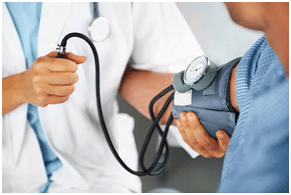
To understand blood pressure, it is important to understand how the heart works. It is common knowledge that the heart pumps blood through the body. But many don’t know that the pressure that blood puts on the walls of the blood vessels as it is pumped is called blood pressure, and this pressure is measured in millimeters of mercury (mmHg).
Blood pressure can also be defined as the force of blood pushing against the walls of the arteries as it circulates through the body. As blood is pumped, it exerts a force on the walls of the arteries.
A blood pressure reading consists of two numbers: the systolic pressure and the diastolic pressure. The systolic pressure is the higher number and represents the force of blood when the heart beats. The diastolic pressure is the lower number and represents the force of blood between beats. Blood pressure is then written as a ratio of two numbers, such as 120/80 mmHg. This means that the systolic pressure is 120 mmHg and the diastolic pressure is 80 mmHg.
Blood pressure is a simple measurement that can tell you a lot about your health. It can either be low, normal, or high; however, it is ideal for a person’s blood pressure to be normal, as either low blood pressure or high blood pressure have adverse effects on the body and health. Typically, one’s blood pressure is categorized into four ranges: normal, pre-hypertension, stage 1 hypertension, and stage 2 hypertension. These ranges are based on the systolic and diastolic pressure numbers.
Low blood pressure, also called hypotension, is when the blood pressure is lower than normal. The normal range for blood pressure is 90–120 mmHg systolic and 60–80 mmHg diastolic. When the blood pressure is lower than 90/60 mmHg, it is considered low. Low blood pressure is caused by many things, such as dehydration, heart problems, or certain medications. Some of its symptoms include dizziness, fainting, and fatigue. In some cases, low blood pressure can be a sign of a serious medical condition and should be evaluated by a doctor.
Treatment for low blood pressure will depend on the underlying cause. If the low BP is due to a medication, the doctor may recommend changing the dosage or switching to a different medication. If the low blood pressure is due to dehydration, the doctor may recommend drinking more fluids and increasing salt intake; in severe cases, intravenous fluids may be administered. If the low BP is caused by a medical condition, the doctor will treat that condition, and if it is severe or if it is causing dangerous symptoms, hospitalization may be necessary.
In addition to treatment for the underlying cause, there are other measures that can be taken to manage low blood pressure. First, it is important to avoid standing up too quickly, as this can cause a sudden drop in blood pressure. When standing up, it is best to do so slowly and to sit or lie down if dizziness occurs. It is also important to avoid getting too hot, as this can cause blood vessels to dilate and lead to a decrease in blood pressure. Eating small, frequent meals and avoiding large amounts of alcohol can also help to prevent low blood pressure.
In some cases, compression stockings, which are tight-fitting socks or stockings that are designed to apply pressure to the legs and ankles, may be recommended to help improve blood circulation and prevent blood from pooling in the legs, which can lead to a drop in blood pressure. They can be worn all day or just during certain activities, such as standing or walking. Compression stockings also help to reduce swelling and discomfort in the legs.
High blood pressure, also known as hypertension, is a major risk factor for heart disease, stroke, and other health problems. That is why it is important to know your numbers and take steps to keep your blood pressure in a healthy range.
High blood pressure can be caused by a variety of factors. Some of the most common causes include being overweight or obese, an unhealthy diet, especially one high in sodium, a lack of physical activity, smoking, drinking too much alcohol, stress, a family history of high blood pressure, and certain chronic conditions, such as diabetes, kidney disease, and sleep apnea. Where the cause of high blood pressure is unknown, it is referred to as essential hypertension.
High blood pressure increases the risk of serious health problems, including heart attack, stroke, heart failure, kidney disease, and vision problems. In addition, high blood pressure can cause other health problems, such as memory loss, sexual dysfunction, and peripheral artery disease. High blood pressure can lead to a heart attack or stroke because it puts extra strain on the heart and blood vessels. The extra strain makes it more likely that the heart muscle will become damaged or that a blood vessel will become blocked, leading to a heart attack or stroke. It can further give a man erection problems because such pressure damages blood vessels, including those of the male genitalia, and with time, blood flow is reduced, causing erection problems.
The treatment of high blood pressure depends on the severity of the condition and other factors, such as age, overall health, and other medical conditions. The first step in treating high blood pressure is to make lifestyle changes, such as losing weight, eating a healthy diet, and exercising regularly. In some cases, medications may be needed to lower blood pressure. There are many different types of medications that can be used to treat high blood pressure. Some common types include diuretics, which help the body get rid of excess fluid; ACE inhibitors; and ARBs, which help relax the blood vessels, etc.
It is important to know that both low and high blood pressure can have serious consequences if left untreated. Regular medical checkups and a general healthy lifestyle would enable one to stay less at risk of having either low or high BP. A person with normal blood pressure has a low risk of heart disease and stroke, and to maintain normal blood pressure, it is important to eat a healthy diet, exercise regularly, and avoid smoking and excessive alcohol consumption.
.
 OBAFEMI AWOLOWO HALL PRESS
Leave a comment