

By Leonard Divine
Imagine a pain that starts out as a dull ache and quickly turns into a sharp, stabbing sensation. It may cause one to feel nauseous and tired, with the pain being so intense that it restricts one’s movement. This is what it feels like to have appendicitis, and while it may sound frightening, it is actually a common condition that can be treated with the right care.
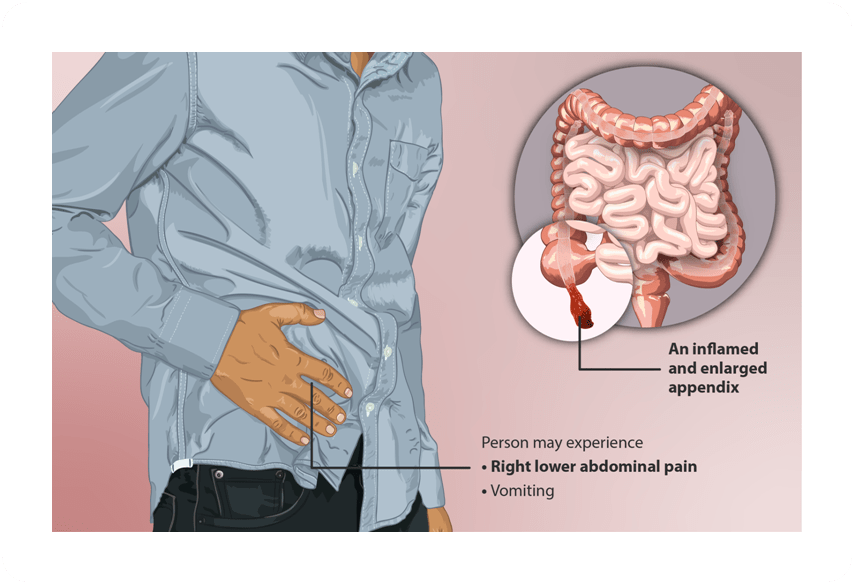
At the bottom right side of the abdomen, the appendix is a little organ that is joined to the big intestine. It serves as a location for our body to hold onto specific beneficial bacteria, which support and enhance healthy digestion and the immune system. These bacteria are kept in storage in the appendix. However, when the appendix becomes obstructed, either because of inflammation or blockage, this may allow an excessive amount of bacteria to proliferate and result in an infection. This infection is what is known as appendicitis. Appendicitis is a medical condition that occurs when the Appendix gets clogged, infected and inflamed
Intense pain in the belly button region, a low-grade fever, lower right abdominal pain, and many other symptoms are indicative of appendicitis and may necessitate immediate medical intervention. It is usually an acute condition, which means it begins suddenly and worsens quickly.
The most common type of appendicitis is acute endicitis, which is usually severe and requires immediate medical attention. Chronic appendicitis, on the other hand, is more subtle, challenging to diagnose, and could worsen if not treated on time. It is not common, and its symptoms are relatively mild. In fact, one may not know he or she is suffering from chronic appendicitis until it develops into acute appendicitis. Hence, it is very important to know the symptoms associated with appendicitis.
Regrettably, appendicitis affects people of all ages and is mostly prevalent in young adults. If it is not treated, it can become deadly and result in fatal complications. It can be difficult to accurately differentiate the symptoms of appendicitis from those of other illnesses when dealing with stomach aches or minor discomfort in the belly button area. Then, how can one be certain that what they are experiencing are symptoms of appendicitis? Though it could be difficult, there are clear indicators that could make it easier to recognize these signs.
One common sign of appendicitis pain is a slight cramping sensation in the upper abdomen or belly button area, which later spreads to the lower right abdomen. This pain often gets worse when you move or cough and is severe and different from other abdominal pain you’ve experienced. Other symptoms may include loss of appetite, tenderness at the abdomen region as the abdomen is sensitive, mild fever, and sometimes abdominal swelling. Despite appendicitis developing due to clogging and obstruction of the appendix, the exact cause of appendicitis is unknown. Many things like a buildup of hardened stool, intestinal worms, enlarged lymphoid follicles could potentially block the appendix. The food one eats could also cause appendicitis when undigested food particles get stuck in the opening to the appendix which leads to inflammation.
Appendicitis should be treated as an emergency since it might cause very dangerous complications. Necrosis, or the deterioration of tissues, is one of these complications. If it spreads into the peritoneal cavity, it may also result in peritoneal infection, which could spread to other organs and possibly the bloodstream. If the infection enters your bloodstream, it may cause septic shock, which can be extremely deadly. There is a greater likelihood of bacteria seeping into the abdominal cavity and other areas of the body, particularly the belly, after the appendix gets inflamed and ruptures which might be quite harmful.
Once severe, appendicitis could turn out to be dangerous, but with timely medical intervention and proper care, it can be treated. Standard treatment includes medication and surgery for severe cases. Healthcare providers rarely recommend medication because appendicitis often returns when one does not have the appendix removed, which is why most times, surgery is done. The surgery done to remove the appendix is referred to as appendectomy, and it is the most common and better remedy because the appendix can rupture within 36 hours of the first severe symptom. Other treatments may also include drainage of abscess formed as a result of swelling before surgery, pain relievers, IV fluids, etc.
Appendicitis is better prevented than facing the complications that come with it. As there is no perfect way to totally prevent appendicitis, one might be able to lower the risk of developing it by eating a fibre-rich diet, which includes fruit, vegetables, beans, brown rice, whole wheat, etc. In addition to healthy dieting, it is helpful to get plenty of rest, drink plenty of fluids, and go for regular checkups at the hospital. In essence, one shouldn’t wait until the symptoms become full-blown before seeking medical intervention. Appendicitis may not be considered a serious ailment, but it is imperative to live healthy and take proper care of one’s health.
It is important to remember that hunger is not the cause of all stomach aches. If one is experiencing sharp pain in the abdomen, it could be a sign of something more serious, like appendicitis. The pain should not be assumed to be due to a lack of food, as it could be a sign of a medical emergency. If you’re experiencing any kind of pain, it is always best to consult with a doctor to rule out any serious conditions.
 OBAFEMI AWOLOWO HALL PRESS
Leave a comment