

By Ademola Rianat Ayomide
Oral health is one of the most important aspects of your overall health. One look into your mouth can reveal nutritional deficiencies, signs of diseases, and unhealthy habits like tobacco or alcohol use, which in turn reflect your general health and well-being. A healthy mouth and a healthy body go hand in hand.
It is important to understand the close relationship between oral health and general health and the impact that one has on the other in order to know how to protect your mouth and body at all ages. Not only does good dental hygiene help prevent tooth decay, but it also helps keep your smile looking its best. Neglecting your oral health can lead to gum disease, the primary cause of gum recession, plaque buildup, and bacterial infections that damage gum tissue. That is why it is so important to take care of your teeth and oral cavity. Furthermore, general health conditions can also increase the risk of problems in the mouth.
Oral diseases are linked with diabetes, heart disease, respiratory disease, and some cancers. Oral diseases take many shapes and forms, with the most common being tooth decay and gum disease. If not properly managed, they can negatively impact the rest of your body; which is why oral health is essential to general health and well-being at every stage of life.
THE SUPER VILLAIN CALLED BAD BREATH
Ever spoken with someone, and his or her breath swung you off your feet? You would wish the conversation would end sooner, irrespective of how interesting it was. Interacting with someone with bad breath is one of the most undesirable social situations there are. We all experience bad breath at some point or another. When a person wakes up after long hours of sleep, there is usually an accompanying odour upon opening their mouth. This happens because the mouth has been shut for a long time and we produce less saliva while sleeping.
Bad breath, also known as halitosis is a persistent unpleasant smell, present in exhaled breath coming from either the nose or mouth; or both. People with bad breath tend to have social anxiety as the condition does harm to their reputation. The dangerous super power bad breath gives is that does with it have no idea their breath stinks, hence they are immune to it. Unfortunately, same cannot be said for people around them.
Causes of bad breath
- Foods such as garlic and onions: when you eat an onion or garlic, it gets absorbed into the bloodstream and transferred to the lungs. When you breathe, the odour comes out of the lungs and can sometimes linger in the breath for days.
- Poor oral hygiene practices: It’s no brainer that not brushing your teeth and tongue regularly will surely give you bad breath.
- Tooth decay: Tooth decay occurs when food particles accumulate within the teeth. Due to the holes in a person’s tooth, food remains stuck in them, thereby giving them a bad odour. Also, people who frequently use toothpicks indiscriminately are prone to gum disease as they develop spaces or pockets between the teeth, which allow food particles to build up, leading to bad breath.
- Dry mouth (xerostomia): this is seen in people who breathe through the mouth. It can also be a side effect of some medications.
- Overlapping teeth: It is usually a task to clean teeth tightly packed together. Sometimes, plaque and food particles lodge around the teeth, resulting in bad breath.
- Impacted wisdom tooth: food particles get trapped in the gum flap surrounding the impacted wisdom tooth or between the wisdom tooth and the tooth in front. It is often difficult to clean this area, thereby giving rise to mouth odour.
THE SUPERHEROES OF GOOD BREATH
- Healthy Eating: One should eat healthy food and avoid consuming too much sugar from snacks, processed food, and soft drinks. Sugary foods are a major risk factor for oral disease (mainly tooth decay), as well as diabetes, heart disease, and cancer. Excessive sugar consumption can also cause rapid weight gain and obesity.
- Avoid smoking: Smoking cigarettes, Indian hemp, or tobacco is unsafe and contributes to developing gum disease and oral cancer. They can be further attributed to heart disease, respiratory disease, and other cancers and are the leading cause of preventable death in the world.
- Limit alcohol use: Excessive consumption of alcohol is a major risk factor for more than 200 diseases, including oral diseases. Alone or in combination with tobacco, excessive alcohol increases the risks of cancer of the mouth, gum disease, and tooth decay (due to its acidity and high sugar contents).
There are basic foundational things people can do to achieve and maintain good breath.
- Brush twice a day
- Change your tooth brush every 3 months or as soon as the bristles become flared.
- Chewing sugarless gum to increase the flow of saliva can help a great deal, as saliva acts as a cleansing agent.
- Flossing will easily remove food debris from in between the teeth that a toothbrush can’t reach.
- Use of mouthwash: Mouthwashes and mouth rinses are liquids that reduce the action of bacteria in the mouth. They do not replace regular oral hygiene practices (tooth brushing, tongue cleaning, and flossing); rather, they compliment them.
- Drink water regularly.
As earlier stated, bad breath can be attributed to various factors. If the cause of bad breath is respiratory, one will need to visit their dentist. Although dental visits are recommended twice a year, most people do not know what to expect from such visits. Dental visits are important for the early detection of dental disease. They are often perceived to be expensive, but it is important to note that such expenses climb higher the longer one waits rather than address the problem.
Also, dental treatments are less complex if tackled as soon as possible. Professional teeth cleaning (scaling and polishing) is advisable every 6 months to prevent gum disease. In addition, other medical conditions can first be detected during a dental visit following a complete physical and oral examination, as some conditions have oral manifestations, such as diabetes, which increases the risk of getting gum disease.
A session may include sensitive questions, including your sexual history, cigarette smoking, and alcohol consumption. The dentist’s knowledge of your dietary and oral hygiene practices will also guide any counseling sessions. Make sure not to keep any information from your dentist, as such information may have an impact on your health status and the treatment plan. Medical conditions, previous hospital attendance, surgical procedures, and medications are also important information to let your dentist know.
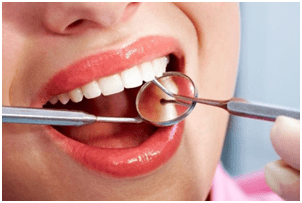
A thorough physical examination is carried out to rule out any signs that may be indicators of systemic disease. An oral examination is then done to check the state of all intraoral structures, including your gums, lips, tongue, roof of the mouth, floor of the mouth, and each individual tooth. A general overview of the entire mouth is done, and attention is paid to any areas of abnormality. Further investigations, like an x-ray or blood test, may be requested based on the findings from the history and examination. Regular dental visits are beneficial to the maintenance of good oral and general health. Make that appointment today.
Proper oral hygiene is an absolute must in order for the people of the earth to live in peace and harmony. It’s time we take a stand to completely eliminate the super villains of bad breath once and for all.
 OBAFEMI AWOLOWO HALL PRESS
Leave a comment