

Photo credit: Pinterest
By Grace Adepoju
A public health alert has been issued by the Nigeria Centre for Disease Control (NCDC) as a cholera outbreak spreads across 30 states, with over 1,140 confirmed and suspected cases reported in 2024. This contagious and potentially life-threatening disease requires immediate attention and precaution.
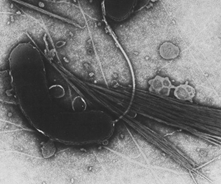
Cholera, a diarrheal disease caused by the Vibrio cholerae bacteria, has been a significant public health concern for centuries. Despite advances in water and sanitation infrastructure, cholera outbreaks continue to occur worldwide, affecting millions of people. In this article, we will delve into the causes, symptoms, prevention, and treatment of cholera, empowering you with the knowledge to protect yourself and your loved ones.
Cholera is a highly contagious bacterial infection that causes diarrhea and vomiting, leading to severe dehydration and potentially death if left untreated. The Vibrio cholerae bacteria are responsible for the infection, which spreads through contaminated food, water, or contact with an infected person’s feces. The bacteria can be found in contaminated water, raw seafood, raw fruits and vegetables, and contact with the feces of an infected person. Cholera symptoms typically appear within 1–5 days after exposure and may include diarrhea (frequent, watery, and profuse), vomiting, dehydration, and electrolyte imbalance.
To protect yourself and your loved ones, follow these essential tips:
- Wash fruits and vegetables thoroughly before consumption.
- Avoid poorly cooked food or food from untrusted sources; opt for well-cooked meals instead.
- Drink boiled or bottled water to minimize the risk of contamination.
- Wash your hands regularly with soap and water, especially after using the toilet.
- Maintain proper sanitation and dispose of waste properly to prevent the spread of bacteria.
Most people infected with Vibrio cholerae may not show symptoms but can still spread the bacteria through their feces for 1–10 days. Therefore, it is crucial to take preventive measures even if you are not showing symptoms. Control of cholera can be achieved through vaccination, community engagement: Raising awareness about cholera, its causes, symptoms, and prevention methods can help control outbreaks.
If you suspect you or someone else has cholera, report it to the nearest hospital immediately. Prompt medical attention is essential to prevent severe dehydration and potential death. Stay informed, take the necessary precautions, and protect your health to help overcome this outbreak. By working together, we can contain the spread of cholera and ensure a safer, healthier community. To end cholera on a global roadmap to 2030, the Global Task Force on Cholera Control (GTFCC) launched a strategy to reduce cholera deaths by 90% and to eliminate cholera in up to 20 countries by 2030.
 OBAFEMI AWOLOWO HALL PRESS
Leave a comment