
By Marvellous Olajide
Imagine that you are pressed and you just need to get to a toilet. You finally find a toilet and you’re hit with the most nastiest scene ever. What do you result to? Using the toilet like that or walking away?
Maintaining good hygiene in public restrooms is important to prevent the spread of germs and harmful bacteria. Unfortunately, toilets are often breeding grounds for these microorganisms, making it necessary to keep them extra clean and hygienic.
Toilet hygiene is a two way thing, it’s give and take. Asides from the nasty smell, a dirty toilet puts the toilet user at risk of contracting UTIs and other toilet diseases. Whether it’s your personal toilet or a public toilet, the first rule of thumb to an hygienic toilet is leaving it cleaner than you met it. Yes. Think of the next person that would be using the toilet and make sure to give them a welcoming toilet experience. When the next person thinks of the next, it’s a never ending cycle which goes on and on. That way, you’re able to maintain a clean toilet all day.
Considering how a lot of people take important care of their private part, its ironic how lots of public toilets are left messed up with piles and piles of human waste. I mean, what’s the point in taking care of your private part when you’re just going to sit or squat over a dirty toilet? To state the obvious, a dirty toilet did not get dirty on its own so it all boils down to how hygienic the user is. Here are some personal and toilet hygiene tips to keep a toilet clean and help the toilet-user prevent disease:
1. Wash your hands after before and after using a toilet: When I say before, I mean after you open the toilet door(if it has one) A door knob is a high-touch area which could harbour a lot of germs and diseases. After the door, you might need to lift the toilet lid and one of the next things your hand would probably be touching after that is your privates or your eyes or nose. Be generally mindful of the surfaces you touch in a toilet. Wash your hands after using the toilet too, to avoid spreading bacteria with your hands to other surfaces and people.
2. Disinfect a public toilet before using it: Ladies especially, disinfect a toilet seat cover and the toilet water before sitting or squatting on it. You can do this by pouring a cap of Dettol or any other effective disinfectant into the toilet bowl and wiping the toilet seat with a disposable tissue soaked with Dettol. This would help prevent the transfer of bacteria from the toilet seat incase the toilet bowl water splashes on your privates. You can also create an Extra shield of protection by dropping wads of disposable toilet paper in the toilet bowl as a cushion for your poop. Voila! No splashes.
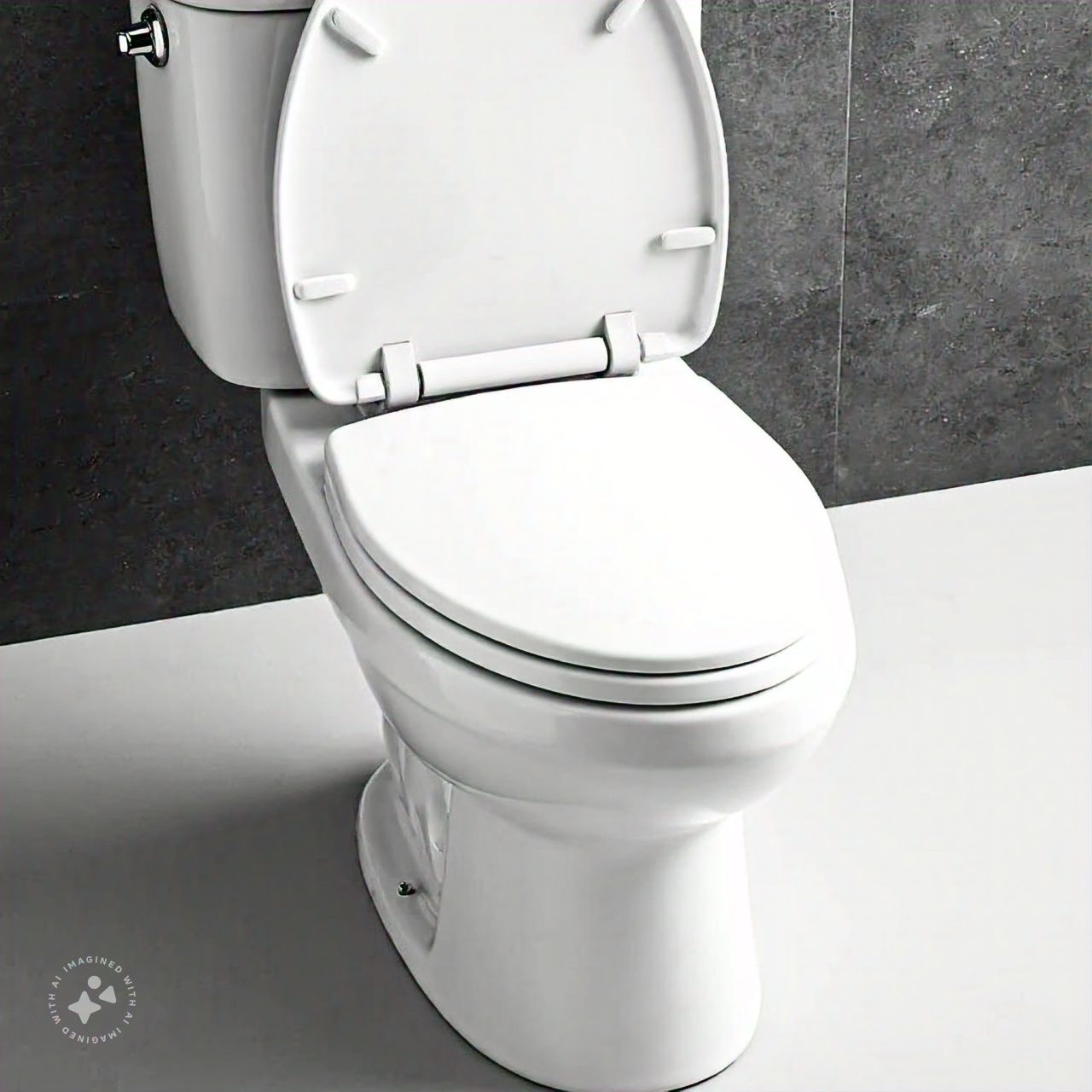
3. Close the toilet lid before flushing: Flushing a toilet can create a cloud of microscopic water droplets known as “toilet sneeze” that can contain bacteria and viruses. These droplets can travel up to six feet from the toilet bowl, potentially landing on nearby surfaces(including your face) and increasing the risk of infection. For toilets that require you pouring a bucket of water into it, it’s advisable to take a few steps back and hope for the best before flushing.
4. Make sure you leave the toilet clean: Make sure the toilet water is clear, even if it means flushing twice. After passing excreta, watch for any poop stains that must have been left on the bowl and do not hesitate to scrub it with a toilet brush and a good toilet cleanser. Also, keep the floor dry by mopping it after usage. A wet floor poses multiple hazards. Besides posing a fall risk, a damp floor provides an ideal environment for disease-causing bacteria to thrive.
5. Proper waste disposal: When waste is not disposed of properly, it can lead to unpleasant odours, attract pests, and create an unsanitary and unsafe environment. Anything that has the potential of clogging the toilet should not go into the toilet. It should go into waste bins. Ladies should avoid dropping sanitary napkins into toilet seats to avoid complications in the drainage system.
6. Dry your hands: A dry hand gives bacteria less chances to thrive!
7. Give your toilet an occasional deep clean. Scrub the scrubbables and wipe the wipables with gloves on and a good disinfectant.
In conclusion, Whether it’s a private or public toilet, every toilet deserves to be clean and you and your neighbour deserves to be disease free so take the necessary steps to keep the toilets you use clean.
 OBAFEMI AWOLOWO HALL PRESS
Leave a comment