
By AKANBI Grace Oluwatomiisin
What is December without a little bit of cold and dry feet? December marks the start of dry season characterized by harmattan. Harmattan is a dry and dusty wind that is experienced in the Western African nations of the African continent. It occurs between the end of November or beginning of December to the end of February or middle of March.
This is a story of Sade, a 300l student of the University of Ibadan who has been facing series of changes due to the new season owing to the fact that it’s already the fifth week of resumption and she is yet to balance herself in her academics in the new season she finds herself in.
Sadie’s day starts as she wakes up as early as 6am to prepare for 8am lectures and then decides to leave the comfort of the cozy and warm bed in the cold weather in order to fetch freshly pumped water with the hope of it being warmer than the water already stored up overnight in her room. She finds herself having to count to three every single morning before pouring the first bowl of water on her soft body, coupled with the fact that the bathroom is some meters from her room so the cold still gets to her no matter how warm the water or hot the water is.
After the daily struggle of bathing and walking all the way through the windy corridor to her room, Sade takes extra precautions to always apply extra lotion and body oil to keep her skin moisturized, shiny and protected from the dryness the season brings. Never will she forget to also put on a face mask to shield her nostrils from the harsh wind, however she never puts on clothings that is too thick because the weather changes as fast as light to a very scorching sun and heat towards noon.
Sade begins to pack her essentials for the day which must include extra lotion, face mask, lip gloss, water bottle with water, umbrella; not for the rain this time but for the sun who is ever ready to burn her shiny skin and finally a small portable fan to keep herself cool during classes. Although these things make her bag heavier, she rather suffers the pain of carrying a heavy bag than get uncomfortable during classes.
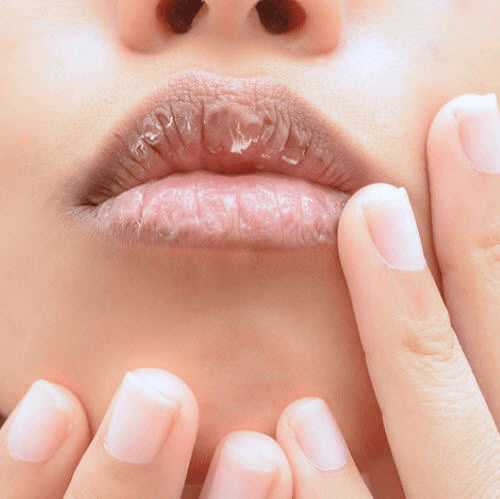
Time after time her lips start getting dried up and then begin to peel off leaving a bruised and delicate lips for the wind to feast on. Sade on the other hand occasionally keep applying her lip gloss or lip balm to avoid such atrocity from happening to her lips. A process she has to repeat for water as a result of the dehydration caused due to the dryness and so much sweat excreted out of the body.
Harmattan is that time of the year where students mostly give in to the devil on their shoulder telling them to sleep overnight in a cool and cozy bed rather than read overnight in a windy and cold environment. Sade however tries her best to keep up but the cool breeze in the night keeps disrupting her plans to study and the one time she stayed up, she ended up with a cold and catarrh which lasted for about three days.
The list of disadvantages the harmattan season brings goes on and on but there are undeniable things that can be enjoyed about the season even as a student. Beginning with the unbelievable amount of time clothes take to dry after washing, on a normal day, some thick clothes like blankets and cardigans takes more than a day to dry up completely with adequate sun. However, the harmattan wind dries it up in less than a day depending on the level of humidity the day brings along.
These little yet significant precautions, if adhered to, will make the harmattan period bearable. There is no other way to welcome the last month of the year other than the welcoming harmattan wind it brings. Guess that’s the free gift Santa Claus gives to us undeniably every year. What is December without a little bit of cold and cool wind?
 OBAFEMI AWOLOWO HALL PRESS
Leave a comment