
Hadiza Usman
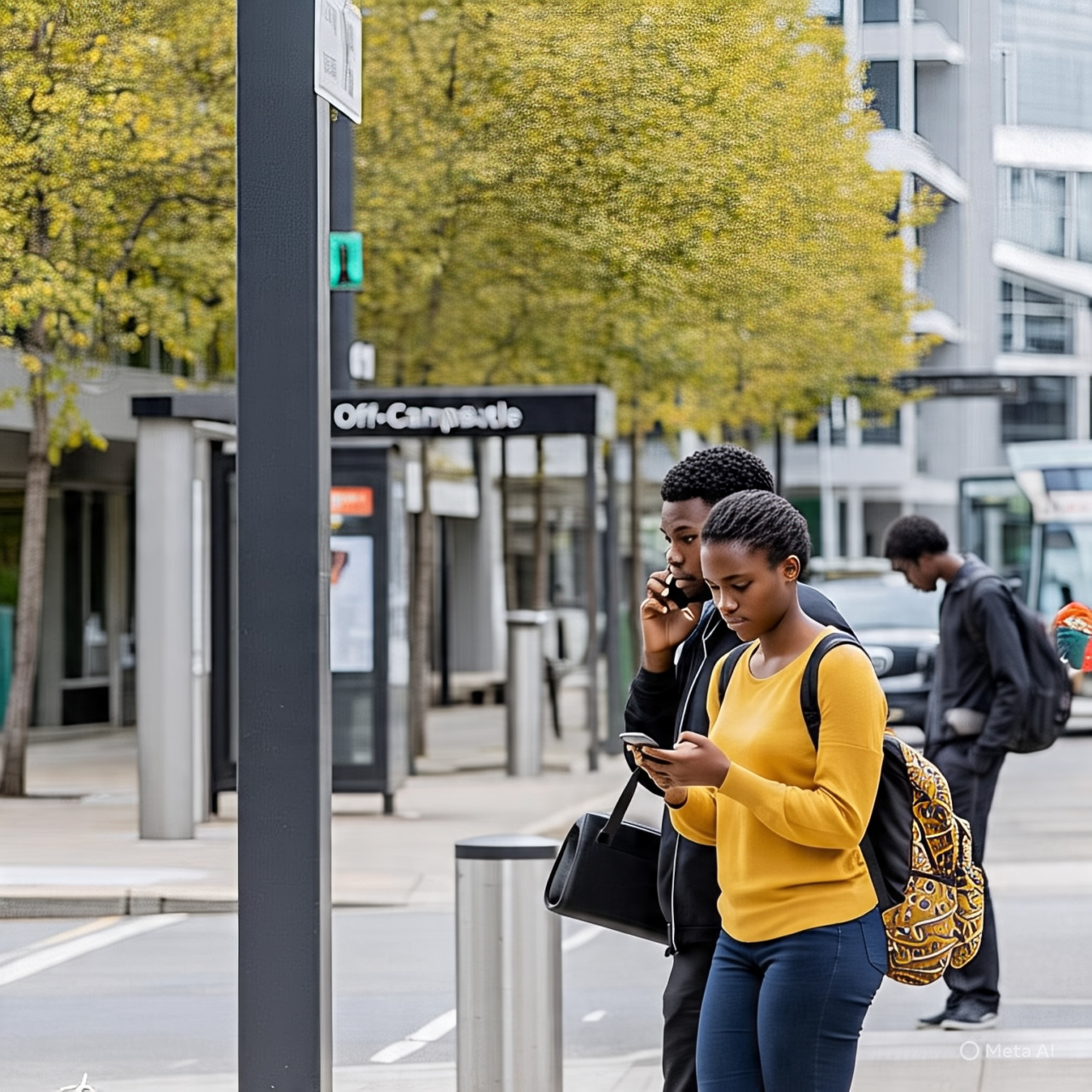
The University of Ibadan’s imposing gates stand as a beacon of learning, but for some students, the true daily challenge begins far beyond their shadow. Limited campus accommodation means that many are forced, rather than choosing, to live off-campus. The scarcity of hostel spaces, combined with the high cost of private hostels, compels them to reside in the surrounding communities — Agbowo, Orogun, Ajibode, Samonda, Barika, and Water. For these students, securing affordable and timely transport to campus is a constant struggle, one that profoundly shapes their university experience.
For students living in Agbowo, the walk to campus is a familiar routine, a daily exercise in pacing oneself under the Ibadan sun. However, those in Orogun, Ajibode, Samonda, Barika, and Water rely heavily on ‘keke’ (tricycles) or ‘Micra’ cabs to make the journey. The challenge is not traffic congestion but the constant scramble to find transport that is both affordable and available. Many off-campus residents, unlike those in hostels, must also contend with basic daily needs such as fetching water from wells. One student remarked, “Waking up early to fetch water before an 8 a.m. lecture is part of my University of Ibadan experience no one talks about. It is a silent battle fought before the academic day even begins, a reminder that life off-campus carries its own unique weight.”
Take Adekunle, a 300-level Microbiology student living in Samonda. His day starts early, not by choice but out of necessity. “If I do not catch the early keke, I risk being late for my practical class. The idea of ‘no traffic’ is misleading; the real challenge is finding a ride that is not already full or too expensive when you are in a rush,” he explains. “My grandmother used to say, ‘Èsìsí ò gbọ́ tí a pè é, ó wọlé ni wàràwàrà’ — a nettle does not hear when it is called; it rushes in anyway. That is how the transport rush feels sometimes; you have to dive in or be left behind.” This daily race against time and limited options defines his academic punctuality.
Financial pressure extends beyond transport costs. While sharing rent with friends in these areas offers some relief, the cumulative expenses of daily fares, often fluctuating with demand, strain already tight budgets. Bola, a Law student living in Ajibode, shares her struggle: “My school fees are already a heavy burden. Then there is transport, buying water, cooking gas. It feels like a bottomless pit. Sometimes, I look at my classmates in the hostel and wish I had that convenience. We save on rent but spend heavily on basic survival.” Her words underscore the harsh reality that off-campus living, often seen as more affordable, is frequently an illusion when factoring in these daily necessities. The saying, “You cannot buy two things with one money,” perfectly captures the constant compromise commuters face between essential expenses.
Perhaps one of the most difficult aspects of the commuter experience is the emotional and academic disconnect. The vibrant social life in hostels — late-night discussions, impromptu events, shared exam anxieties, and collective study sessions — often remain inaccessible to those off-campus. Staying late for group work or simply socialising becomes an impossible luxury. “It is as if you are half-in, half-out of the full University of Ibadan experience,” one student noted. A peer once told him, “Èjìká kì í tó ara, ara ni yíò jẹun” — the shoulder is never as good as the body, the body will eat. In other words, no matter how close off-campus students are, they can never truly replicate the immersion and camaraderie of on-campus life.
This feeling of separation is particularly acute for students in faculties far from the main campus hostels, such as Pharmacy, Veterinary Medicine, and Anatomy. For them, on-campus accommodation is often not a choice but an impractical option. Funke, a Pharmacy student living near Second Gate, explains, “Why would I struggle for a hostel room miles away from my faculty, only to spend more money on transport within the campus? It makes no sense. We are already commuting from off-campus, so adding another layer of internal commute only doubles the stress and cost. Staying off-campus is not just a choice for us; it is the only logical option.”
The daily grind of the University of Ibadan commuter student is a testament to their profound dedication. They master a unique kind of discipline, balancing academic demands with the challenges of navigating a complex urban environment, financial constraints, and often, a quiet isolation from campus social life. Their journeys, though often unseen and uncelebrated, weave a powerful narrative of resilience. In every keke ride, every fetched bucket of water, and every calculated step, these students embody the unwavering spirit of those who truly earn their place at the University of Ibadan.
UI Commuters: The Daily Hurdles of Living Off-Campus
 OBAFEMI AWOLOWO HALL PRESS
Leave a comment