
Hadiza Usman
Aisha sits at her desk in a quiet room, hours away from the University of Ibadan. Her laptop screen glows with lecture slides and online forums, the only companions in her academic routine. As a 300-level Computer Science student at the university’s Distance Learning Centre, Aisha studies alone most days. “It is just me and my screen,” she says, describing the solitude that defines her learning experience. For students like her, the phrase “out of sight, out of mind” is more than a saying, it reflects a daily experience.
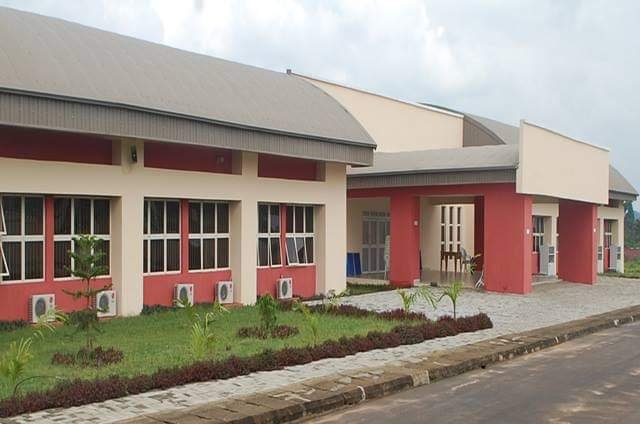
The Distance Learning Centre, located in Ajibode on the outskirts of campus, is technically part of the University of Ibadan, but the experience it offers is profoundly different. While regular students walk to lecture halls, catch updates on departmental notice boards, and build friendships in hallways and cafeterias, DLC students navigate their academic lives remotely, often without any of these everyday interactions.
The flexibility of distance learning opens doors. For parents, full-time workers, and students living far from Ibadan, it offers a rare opportunity to pursue higher education. But that flexibility comes at a cost, not only in tuition, which is significantly higher than for regular students, but also in emotional and institutional terms. Many DLC students report feeling invisible, as though they are part of the university only on paper.
Kingsley, a Psychology student who juggles his studies with work and family responsibilities, voices a common frustration when he says, “We pay more, but we get less of the university experience.” He adds that DLC students don’t vote in Students’ Union elections and lack formal representation, making it feel “like we exist in a different university.”
This lack of visibility affects more than governance. It seeps into the daily academic experience. Funmi, a Microbiology student, says, “There is a flow to campus life we just do not experience.” She explains that it is not just about being physically distant but about missing the daily school experience that help students succeed, things like joining study groups, running into lecturers, or simply learning about opportunities through word of mouth. “We are always playing catch-up,” she says.
The emotional toll of this separation is subtle but persistent. One student, who preferred to remain anonymous, captures it with quiet clarity. “It is not bitterness, just a quiet sadness,” she says. “You are part of UI, but not really in it. You see pictures of events on campus and wonder what it feels like to belong. That feeling of inclusion; it is always just out of reach.”
Still, in the face of limited access to regular school experiences, DLC students have found ways to mingle with one another. Many turn to one another, forming study groups in WhatsApp chats and online forums. They share notes, offer encouragement, and create the sense of community that the system fails to provide. It is a kind of resilience that is both inspiring and sobering.
But resilience should not be mistaken for satisfaction. The fact that students work around systemic gaps does not excuse those gaps. The challenges that DLC students face from academic disconnection to emotional isolation, demands an attention.
The University of Ibadan must rethink how it engages with these students. Providing lecture materials online is not enough. True inclusion means ensuring that all students, regardless of where they are, have access to support systems, representation, and a sense of belonging. If students are paying more, they should not be receiving less.
Education is not just about assignments and examinations. It is also about connection, support, and community. No student, no matter how far away, should have to walk their academic journey alone.
 OBAFEMI AWOLOWO HALL PRESS
Leave a comment