
Hadiza Usman
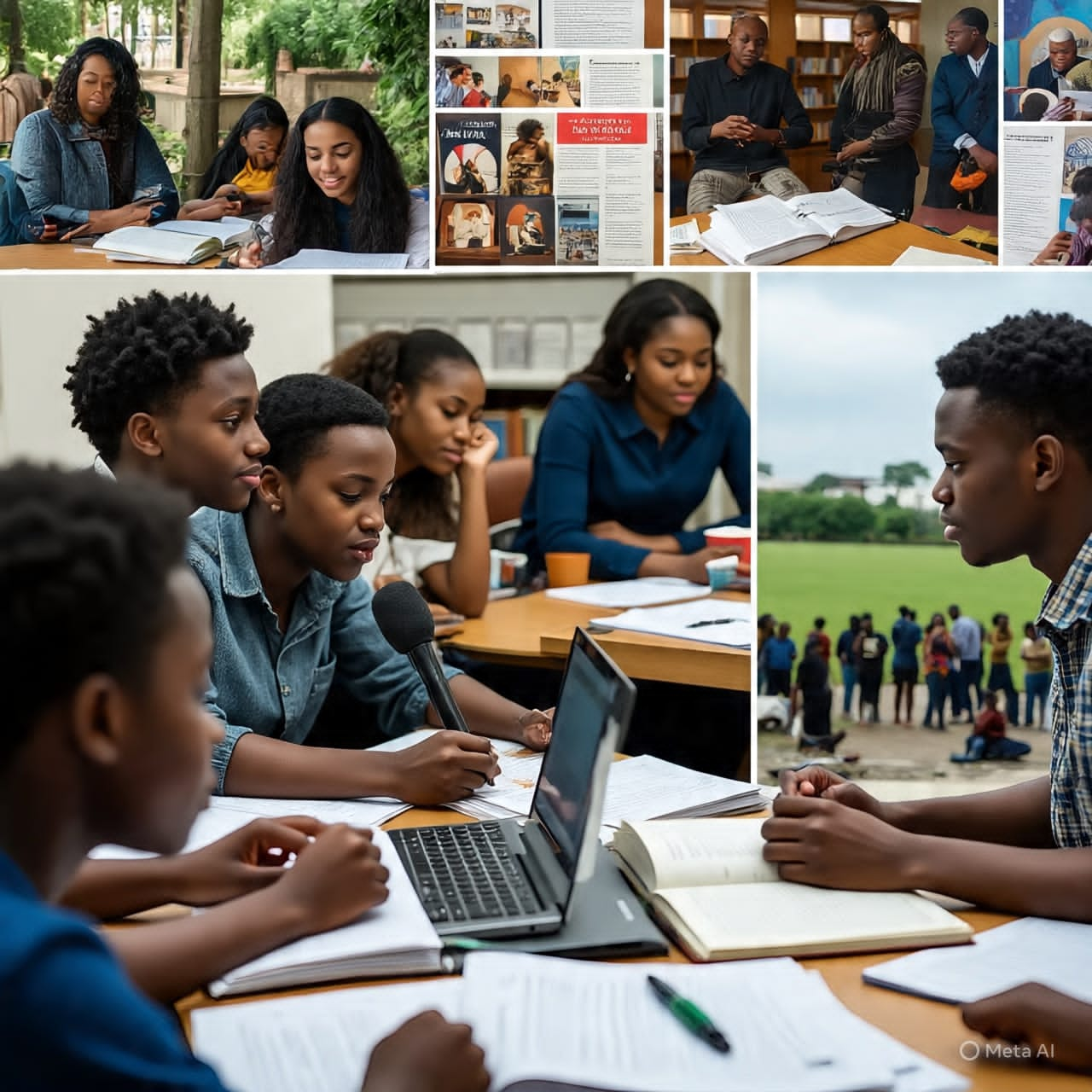
A university as vast and storied as Ibadan is, by its very design, a collection of specialized worlds. Each faculty, with its distinct buildings, unique jargon, and demanding curricula, often functions as a self-contained space. Students naturally gravitate toward those who share their academic burdens, lecture halls, and career goals. Yet beneath this visible structure of academic structure lies something quieter but just as powerful: the unseen threads that connect students across the institution. These are the spontaneous friendships, the unexpected collaborations, and the shared experiences that transcend disciplinary boundaries. They form a deeper, more resilient network of student life. The strength of UI lies not only in the excellence of its faculties but also in the many ways its diverse minds find common ground.
It is easy to understand why students initially remain within their academic zones. Medicine demands intense schedules, Engineering is filled with rigorous practicals, Law requires relentless reading, and Arts calls for creative immersion. These shared challenges foster tight bonds. The physical layout of the university also reinforces this, as faculty buildings and common rooms keep students in close quarters with their course mates. However, the human need for broader connection, fresh insight, and meaningful companionship gradually begins to weaken these self-imposed walls.
One of the strongest forces that break these boundaries is hostel life. Within the halls of residence—whether Mellanby, Queen Elizabeth, or Independence—students from different faculties live together. They become roommates, neighbours, and late-night study partners. The daily routines of queuing for water, competing for a reading space, or sharing a midnight meal bring them into natural, repeated contact. A Computer Science student may find themselves exploring existential questions with a Philosophy major. A future engineer might learn to appreciate the intricacies of human behaviour from a Psychology student. Over time, these close interactions dissolve stereotypes and foster mutual respect. Femi, a final-year Law student, shares, “My first roommate was an Animal Scientist. I knew nothing about livestock, but through him, I learned about the complexities of agriculture. And he, in turn, found my law books fascinating. It made my world bigger.”
Outside the hostels, clubs and societies serve as powerful points of intersection. Most of them welcome students from all departments, creating spaces where interests—not academic disciplines—become the basis for connection. Whether it is the strategic thinking of the Debating Society, the creative energy of a Drama group, the shared commitment in a volunteer team, or the unity of a religious fellowship, these communities allow students to engage across faculties. A medical student may discover a passion for service while volunteering with an Economics student. An Architect might team up with a Theatre Arts student to build a stage set. In these environments, collaboration is not just possible—it becomes essential. As the saying goes, birds of a feather flock together, but sometimes an eagle needs a dove to see the world from a different height.
Nowhere is this dynamic more visible than during major campus events. Jaw War, UI’s renowned debate competition and one of the biggest in Sub-Saharan Africa, brings faculties into direct engagement. Though they compete fiercely, the event promotes a spirit of mutual respect. Students learn not just to defend their positions but to understand the rhetorical strengths of others. Similarly, the Seals Cup brings together players from every department to compete in football. These events build camaraderie that crosses academic lines. More than just competitions, they are shared rituals that shape the university’s culture and encourage students to see beyond their academic identities.
Student governance at UI also relies heavily on inter-faculty collaboration. The executives of the Student Union, hall councils, and the Students’ Representative Council (SRC) come from a range of faculties. To function effectively, they must communicate across differences, build consensus, and represent the interests of all students. This structure requires them to understand diverse perspectives and work collectively toward solutions. In practice, leadership on campus becomes a daily exercise in interdisciplinary thinking.
The benefits of these informal connections are substantial. When students reach beyond their faculties, they gain access to different ways of thinking and problem-solving. This broadens their perspectives and sharpens their ability to work in diverse teams—skills that are vital beyond university walls. These relationships also foster empathy, adaptability, and real-world understanding. Moreover, the networks built through these unseen threads often extend into future careers, proving that interdisciplinary connection is not just enriching but also practical.
Of course, maintaining these ties can be challenging. The demands of academic life are intense, and time is limited. Students may hesitate to engage outside their comfort zones. Yet, time and again, UI students overcome these barriers. Their resilience and curiosity keep the threads alive. They understand that university life is not only about academics. It is also about the people you meet, the stories you hear, and the unexpected insights gained from those who think differently.
In the grand narrative of the University of Ibadan, faculties may serve as strong individual strands. But it is the countless unseen threads that bind these strands into a unified whole. Built through hostel life, club activities, student governance, and shared campus events, these connections create a rich and dynamic student experience. They ensure that while students specialize deeply, they also grow broadly. These threads are what turn a university into a community and students into citizens of a wider world.
Beyond Faculties: The Invisible Ties That Bind UI Students Together
 OBAFEMI AWOLOWO HALL PRESS
Leave a comment