
Marvellous Olajide
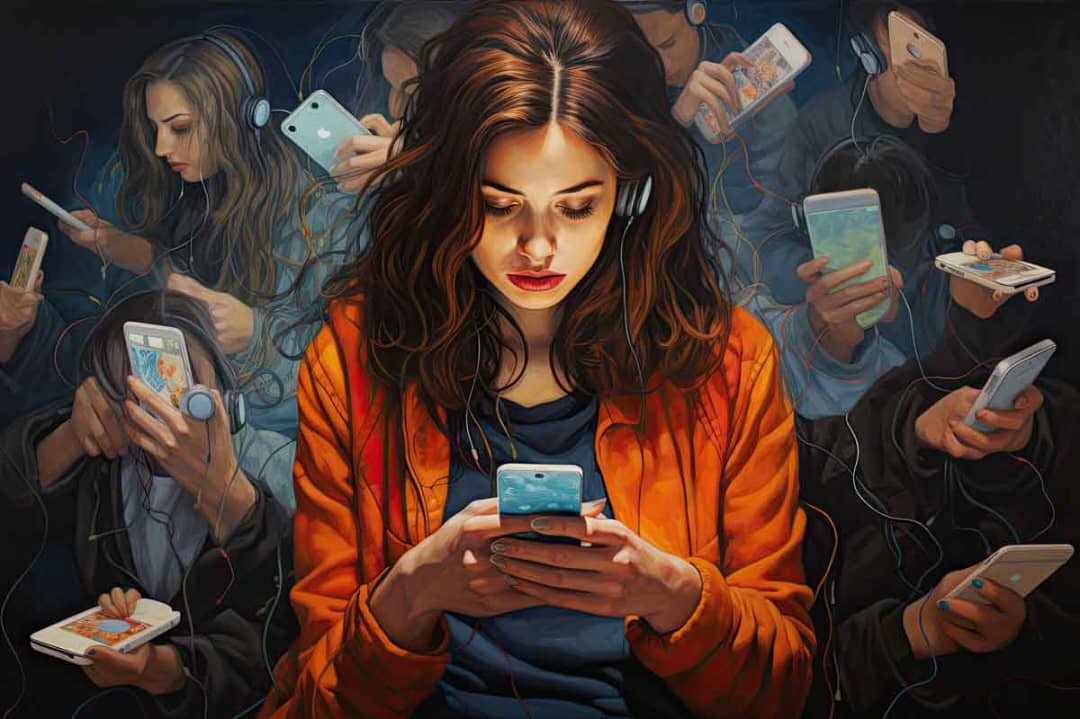
Why the same device that connects you to the world might be disconnecting you from your goals. It is 2:17 a.m. You promised yourself you’d sleep by 10pm and wake up by 3am to crash read. Your exam is at 9:00 a.m. sharp. But somehow, you are still on your bed, fingers swiping through Tiktok videos or Instagram reels that seem endless. You laugh at a meme, like a reel, share a post on WhatsApp, you do all these knowing you have an exam, the thought of it is gnawing at the back of your mind but somehow you still keep scrolling, you’ve wasted three whole hours doing absolutely nothing.
If this sounds like you, you’re not alone. For many, smartphones have become a constant companion, a source of entertainment, connection, escape, and unfortunately, a silent thief of time, motivation, and mental clarity. “I just need to learn to manage my time,” you say. But what if the issue goes beyond “time management”? What if your brain is actually getting rewired, slowly, quietly, and deeply? Let’s talk about digital dopamine.
What is Dopamine, and Why Does It Matter?
Dopamine is a chemical in the brain that plays a major role in motivation, reward, and pleasure. When you achieve something like finishing an assignment or washing your heap of clothes, your brain releases dopamine, making you feel good and encouraging you to repeat that behaviour.
But here’s the dark side, your brain doesn’t care whether that dopamine comes from acing a test or watching funny videos. It just wants more. And smartphones? They’ve mastered the art of triggering dopamine again and again through likes, swipes, notifications, and endless novelty.
Every scroll on TikTok, every Instagram reel, every new message triggers a small dopamine release. It feels good so you keep going. But over time, this constant flood of feel-good chemicals starts messing with your natural reward system.
Have you ever noticed how hard it is to read your lecture notes for just 20 minutes, but you can scroll on your phone for two hours straight without blinking? That’s not laziness. That’s dopamine burnout.
When your brain becomes used to high levels of instant pleasure from your phone, slower, long-term rewards (like studying, reading, or even having conversations) start to feel boring. Your brain literally becomes less sensitive to normal dopamine and the motivation to do “hard” things disappears.
This is the reason why:
You start 5 tasks but finish none.
You lose interest in things you used to enjoy (sports, drawing, writing).
You find lectures unbearably dull and can’t focus for long. You feel exhausted but restless, like your brain is tired but won’t shut up.
Life in the Hostel: The Perfect Setup
For students living in hostels, the challenge is even deeper. You’re away from the comfort of your home, dealing with stress, noise, heat, poor power supply, and sometimes food management. Your phone becomes a coping mechanism an escape from harsh realities and academic pressure. With unstructured time and minimal supervision, it’s easy to fall into a routine of:
All-night scrolling sessions, Skipping classes due to fatigue, Using your phone as the first and last thing you touch every day, Avoiding real-life problems through endless online distractions.
Unfortunately, the more you escape into your phone, the worse your real life tends to get leading to a toxic cycle of avoidance, low energy, knocking deadlines and regret.
But Is It Really That Deep?
Yes. It’s very deep because studies show that excessive smartphone use can lead to:
-Reduced memory and attention span
-Increased anxiety and depression
-Sleep disruption due to blue light exposure
-Decreased academic performance
-Loss of deep thinking and creativity
It’s no longer just a matter of “too much screen time.” It’s now a neuroscientific issue that affects how your brain is wired and how you experience life.
‘Reclaiming’ Your Brain
The good news? Your brain is like plastic in the sense that it can heal and rewire itself. Here’s how you can take back control
1. Try a Dopamine Detox
Pick one day a week to avoid all high-dopamine activities like social media, YouTube, Netflix, or gaming. Use that day to walk, journal, read, or study. It’ll be uncomfortable at first but you’re retraining your brain to enjoy low-stimulus activities again.
2. Use the “Boring First” Rule
Do the hard, boring task before you allow yourself a dopamine reward. For example, tell yourself: “I’ll read 5 pages of this handout before I check Instagram.” This trains your brain to associate effort with reward.
3. Turn Off Non-Essential Notifications
Your phone shouldn’t have more control over your attention than you do. Silence all non-urgent alerts. Better still, delete one social media app for 7 days and watch how your mind starts to clear up.
4. Design Your Environment for Focus
When it’s time to study, put your phone far away. Use a reading room or study group if your hostel is too distracting. Download “Focus” apps like Forest or Pomodoro timers to help structure your time.
5. Do Real Things That Give Real Dopamine
Exercise, dance, pray, socialize offline, complete a project, volunteer, write these give dopamine too. But they’re healthier and long-lasting. Make time for them, especially when hostel life feels mentally draining.
Your smartphone is not evil. In fact, it’s one of the most powerful tools of our time. But when it becomes your main source of pleasure, your main escape, and your biggest time-spender, you start to lose the drive to build the life you actually want.
As a student, distractions will always be there poor power supply, noisy roommates, the urge to run from academic pressure. But if you can take back control of your attention, even just a little every day, you can slowly rebuild your focus, motivation, and peace of mind.
Your brain is powerful. Don’t let it be hijacked by algorithms designed to keep you swiping. Choose progress over passive pleasure. Choose real dopamine over digital quick fixes. Your future self will thank you.
 OBAFEMI AWOLOWO HALL PRESS
Leave a comment