By Jesutofunmi Great Ayeni
In the bustling digital corridors of Nigerian universities, a witty and often brutal phenomenon has emerged: campus memes. They act as truth detectives of social media, exposing the contradictions between students’ online self-presentations and their everyday realities. In many ways, they resemble hostel gossip translated into a digital language, unfiltered, humorous, and strikingly accurate.
The spread of smartphones and affordable data in hostels created fertile ground for this culture. What began as lighthearted sharing of daily experiences soon grew into a vibrant form of digital commentary. Campus memes thrive on their ability to call out pretense. A student who boasts of high grades on WhatsApp but survives on bread and groundnut butter becomes instant material. Another who posts motivational quotes while ignoring overdue bills is transformed into a running joke. This capacity to blend humor with social critique is at the heart of their appeal.
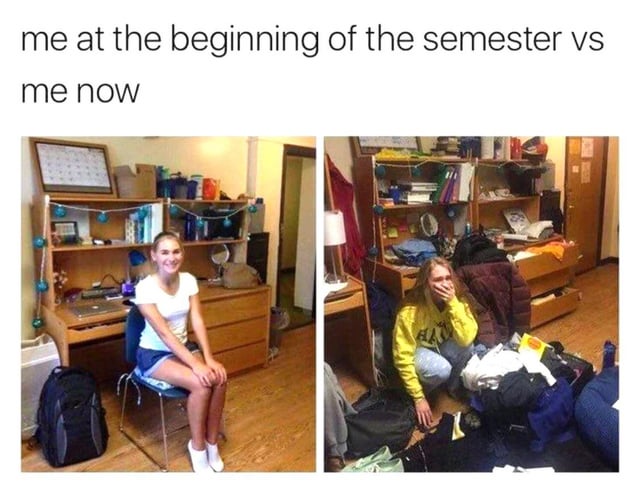
The humor often lies in exaggerating the gap between digital aspiration and lived experience. Students caption pictures with “living my best life” while sharing a small plate of beans with roommates. Instagram posts about “grind mode activated” appear beside textbooks left untouched for months. TikTok room tours reveal overcrowded spaces where eight students squeeze into a room smaller than a fast-food booth. The laughter these memes provoke is rooted in recognition, in the painful accuracy of the absurd contrasts they expose.
Academic performance is another recurring theme. Students who constantly refresh the school portal during registration chaos describe themselves online as resilient. Others present themselves on LinkedIn as strategic thinkers yet cannot decide on electives without consulting friends. Self-care advocates promote balance while their screen-time reports show twelve hours of scrolling daily. These contradictions are roasted mercilessly, reminding students that social media performances often collapse under scrutiny.
Hostel life itself provides endless inspiration. A photo captioned “home sweet home” might reveal a narrow bedspace that requires contortion to use. The act of sharing one hundred naira worth of airtime with a partner becomes “building an empire together.” Power outages are reframed as “mood lighting” for aesthetic posts. In these moments, hardship is not only endured but reinterpreted, transformed into collective humor that affirms resilience through laughter.
Beyond entertainment, campus memes function as a form of digital literacy. They highlight the tension between curated online images and actual conditions, encouraging students to reflect on how identity is performed in virtual spaces. Across campuses such as the University of Ibadan and the University of Lagos, memes generate a sense of community. They serve as a shared language of recognition, creating both laughter and a subtle form of critique. In this sense, they operate as grassroots social commentary packaged in humor.
Whether mocking claims of “weekend vibes” on a very limited budget or exposing procrastination through captions such as “God will do it” with zero study hours, campus memes keep their commentary honest and relatable. Their wit captures the everyday struggles of students without romanticizing them. They speak with both savagery and empathy, giving voice to the resilience of campus culture.
Ultimately, Nigerian campus memes are more than passing jokes. They are mirrors reflecting the dissonance between online identities and lived realities. They entertain, but they also provoke reflection, showing how humor can bridge the gap between performance and truth. As this culture evolves, it may expand beyond Nigerian campuses to reach wider audiences. One certainty remains: the next meme will arrive suddenly, deliver its truth with wit, and remind us that in the digital age, even laughter is a form of critique.
Image credit: Reddit
 OBAFEMI AWOLOWO HALL PRESS
Leave a comment